Introduction
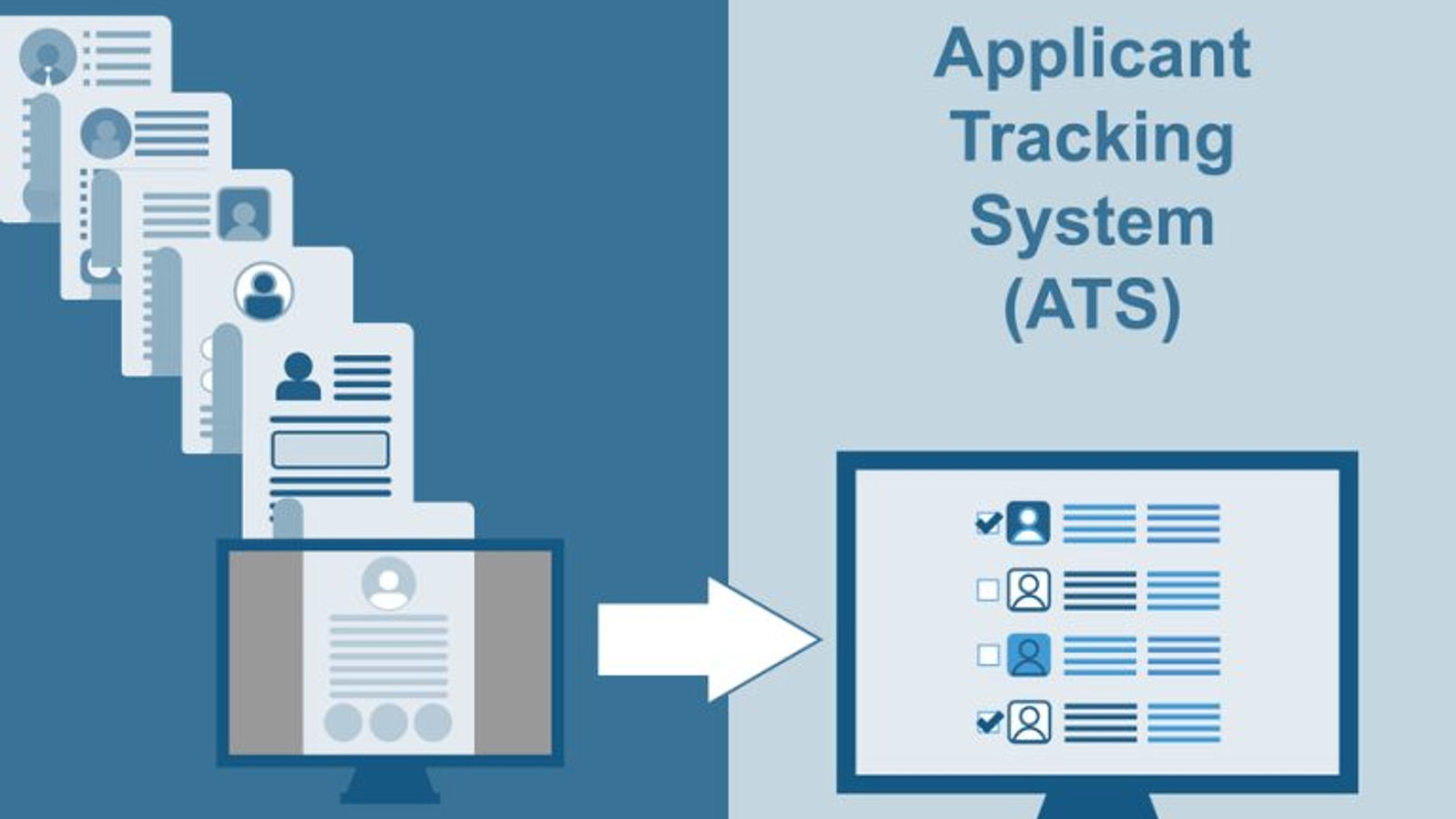
In today's competitive job market, many companies rely on applicant tracking systems (ATS) to streamline the hiring process. These systems automatically scan and filter applications, making it crucial for job seekers to optimise their resumes to get past the ATS and into the hands of hiring managers. In this blog post, we will share effective strategies to enhance your resume's visibility and increase the chances of getting noticed by the ATS.
Understanding the Applicant Tracking System
An ATS is designed to screen resumes based on specific keywords, formatting, and criteria set by the employer. It scans resumes for relevant qualifications, skills, and experience, allowing recruiters to shortlist candidates efficiently. To navigate the ATS successfully, keep these SEO-focused tips in mind:
- Use relevant keywords: Research industry-specific keywords and incorporate them naturally throughout your resume. These keywords should align with the desired job role and match the terminology used in the job description.
- Optimise your formatting: Keep your resume clean and well-structured. Use standard fonts, headings, and bullet points to ensure the ATS can parse your information accurately. Avoid complex layouts, graphics, or images that can confuse the system.
- Tailor your resume to each job application: Customise your resume for each position you apply for. Analyse the job description to identify key skills and requirements, then adjust your resume accordingly. Highlight relevant experiences and use targeted keywords.
Keyword Optimization
Keywords play a vital role in getting your resume past the ATS. Here's how to optimise your resume with relevant keywords:
- Analyse job descriptions: Carefully read the job descriptions of your target roles and identify the most important keywords and phrases. Pay attention to technical skills, certifications, and specific job requirements.
- Strategic placement: Incorporate keywords throughout your resume, including in the professional summary, skills section, work experience descriptions, and education details. However, ensure the keywords are used naturally and do not appear forced.
- Quantify achievements: Instead of merely listing your responsibilities, showcase your accomplishments and quantify them where possible. This not only adds substance to your resume but also incorporates keywords associated with achievements, such as "increased sales by 30%."
Relevant Skills and Experience:
To increase your chances of passing the ATS, focus on highlighting relevant skills and experience:
- Mirror the job description: Use similar language and phrasing from the job description when describing your skills and experience. This demonstrates alignment and helps the ATS recognise the match.
- Highlight transferable skills: Emphasise transferable skills that are applicable to the desired role. These skills can be relevant across various industries and are valuable for capturing the attention of both the ATS and recruiters.
- Provide context: While optimising your resume, ensure that you provide sufficient context for your skills and experience. Explain how you utilised your skills to achieve specific results or overcome challenges in previous roles.
ATS-Compatible File Formats
Submitting your resume in an ATS-compatible format is essential to ensure accurate parsing and interpretation by the system. Consider the following:
- Use plain text or PDF format: ATS systems typically parse plain text or PDF documents most effectively. While PDFs maintain the formatting, plain text eliminates potential compatibility issues.
- Avoid fancy formatting: Elaborate formatting, tables, and columns can confuse the ATS. Stick to a simple layout with clear headings and bullet points.
Proofread and Review
Before submitting your resume, thoroughly proofread and review it for any errors or inconsistencies. Pay attention to the following:
- Spelling and grammar: Poor spelling or grammar can negatively impact your chances of passing the ATS and making a good impression on recruiters. Use spelling and grammar tools, and have someone else review your resume as well.
- Consistency and accuracy: Ensure consistency in dates, job titles, and formatting throughout your resume. Double-check that the information you provide matches your professional profiles and online presence.
Conclusion:
Effectively navigating the applicant tracking system is crucial for getting your resume noticed by hiring managers. By understanding how ATS works and implementing SEO-focused strategies, such as using relevant keywords, optimising formatting, and highlighting relevant skills and experience, you can increase your chances of passing the ATS screening. Remember to tailor your resume to each job application, optimise for keywords, and review it thoroughly for errors. With an ATS-optimised resume, you'll maximise your chances of landing interviews and securing your desired job.